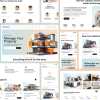
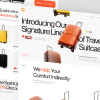
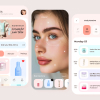
The Essentials of Custom Web Design
Crafting a Unique Online Presence: The Essentials of Custom Web Design

Introduction
In today's digital age, having a unique and functional website is crucial for any business. Custom web design offers the advantage of creating a website tailored to your brand's specific needs and goals. But what exactly makes a custom web design stand out? In this post, we’ll explore the fundamental elements that contribute to an effective custom web design.
Understanding Your Brand Identity
The first step in custom web design is to understand your brand's identity. Your website should reflect your brand’s personality and values. This includes choosing the right color scheme, typography, and imagery that align with your brand’s aesthetics.
Defining Your Target Audience?
Knowing your audience is key to creating a website that resonates with them. Conduct thorough research to understand your target audience’s preferences, behaviors, and needs. This will help you design a user experience that meets their expectations and keeps them engaged.
Prioritizing User Experience (UX)
A well-designed website should offer a seamless user experience. Focus on intuitive navigation, fast loading times, and mobile responsiveness. Ensure that users can easily find the information they’re looking for and that your site is accessible across all devices.
Implementing Effective Call-to-Actions (CTAs)
Your website should guide visitors towards taking specific actions, whether it’s making a purchase, signing up for a newsletter, or contacting you for more information. Strategically place CTAs throughout your site to encourage user engagement and conversions.
Incorporating SEO Best Practices
Custom web design should also consider search engine optimization (SEO). Use relevant keywords, optimize meta tags, and ensure that your site’s structure is search engine-friendly. This will help improve your site’s visibility and attract more organic traffic.
Choosing the Right Content Management System (CMS)
Selecting the right CMS is crucial for managing your website’s content efficiently. Popular CMS options like WordPress, Joomla, and Drupal offer various features and flexibility. Choose one that aligns with your needs and technical expertise.
Ensuring Scalability and Flexibility
Your website should be designed with scalability in mind. As your business grows, you may need to add new features or pages. A flexible design allows for easy updates and modifications without requiring a complete overhaul.
Testing and Quality Assurance
Before launching your website, conduct thorough testing to identify and fix any issues. Check for broken links, compatibility issues, and functionality problems. Quality assurance ensures that your website performs optimally and delivers a positive user experience.
Continuous Improvement
Custom web design is not a one-time process. Regularly update your website with fresh content, monitor its performance, and make improvements based on user feedback and analytics. This will keep your site relevant and engaging for your audience.
Conclusion:
Custom web design is an investment in your brand’s online presence. By focusing on these essential elements, you can create a website that not only looks great but also performs well. Remember, a well-designed website is key to attracting and retaining customers, so take the time to get it right.
By John Evance
- Know your audience's preferences and behaviors to create a user-centric design.
- Set clear goals for what you want your website to achieve.
- Ensure your design aligns with your brand identity and message.
- Use a responsive design to provide a seamless experience across all devices.
- Prioritize usability and accessibility to reach a broader audience.
- Optimize your website for fast loading times and smooth performance.

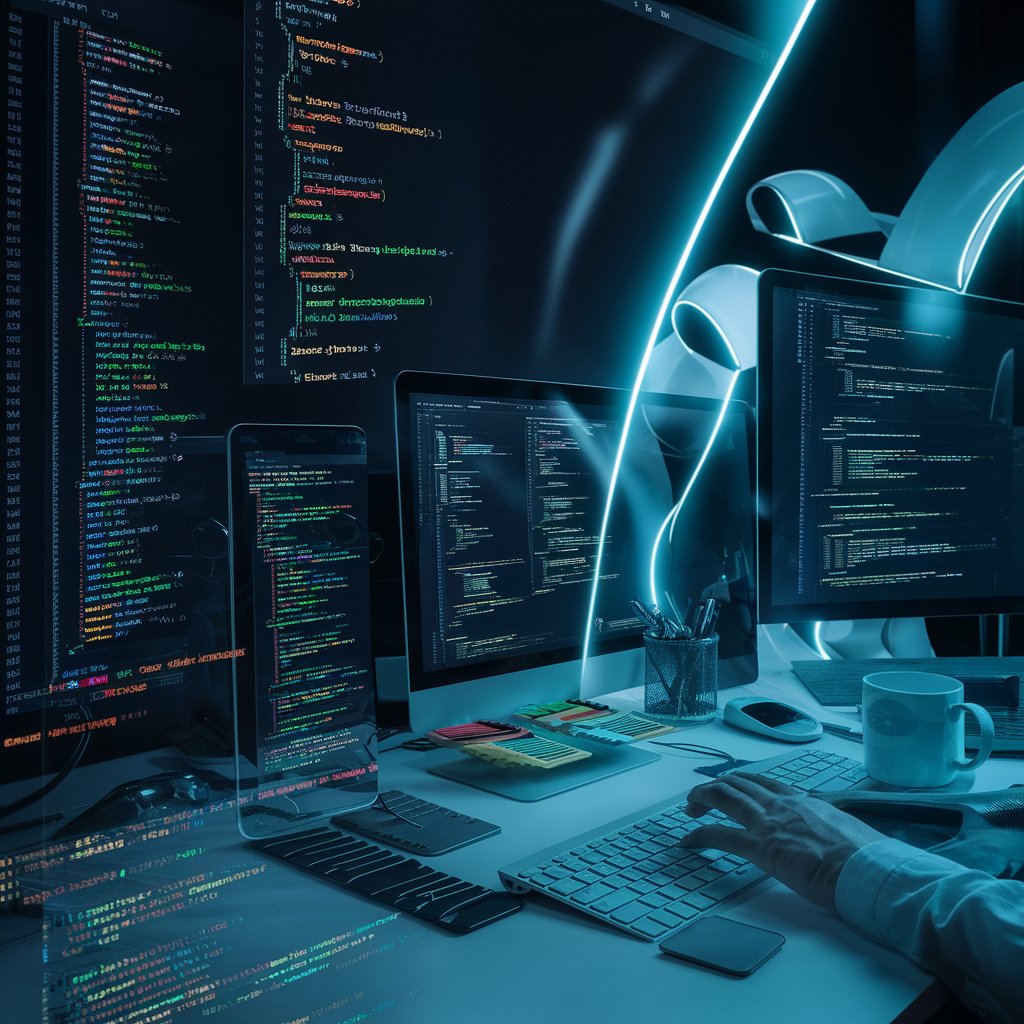
Custom web design is an ongoing process that requires continuous improvement and adaptation. By following these tips, you can create a website that not only looks great but also delivers a fantastic user experience.

Share this link via


Categories
Custom WEb Development
(05)
Graphic Design
(03)
SEO Optimisation
(04)
Ecommerce
(05)